In the complex landscape of 2024 global trade, “Transit” is a powerful tool for efficiency. It allows goods to pass through a country (the transit country) without being subject to the full weight of local duties and taxes, provided they are destined for a third country.
However, because transited goods bypass standard import procedures, customs authorities impose strict conditions to prevent “leakage” where goods intended for transit are diverted into the local market illegally. If your business is moving high-value assets across borders, understanding these conditions is vital to avoiding costly delays or seizures.
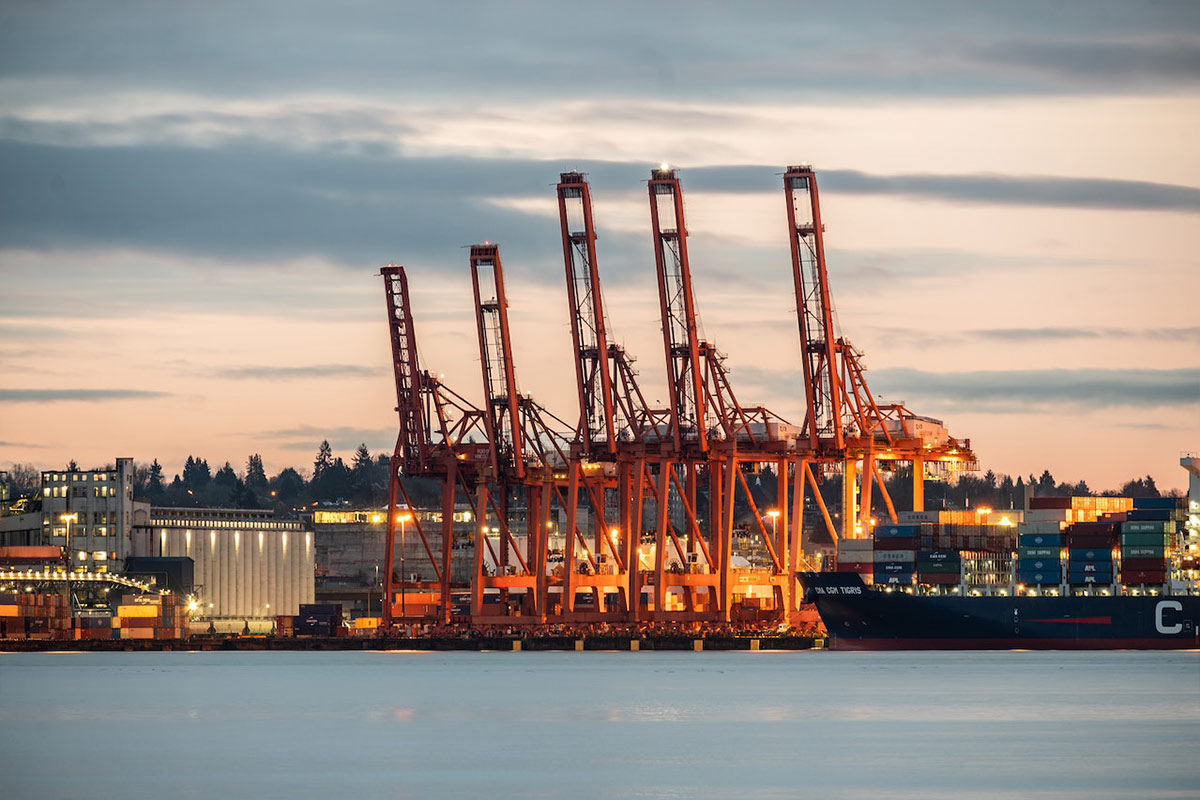
Navigating the Flow: Key Conditions for Applying for Transited Goods
- The Principle of Integrity: The "Untouched" Rule The most fundamental condition for transited goods is that they must remain in the same state from the point of entry to the point of exit.
- Financial Security: The Transit Bond To ensure the transit country doesn't lose out on potential revenue if the goods "disappear," you must provide a financial guarantee.
- Pre-Defined Transit Corridors and Timeframes*Transit is not a license to wander. Customs authorities usually dictate the "how" and "when.
Transit is the art of movement under supervision. Success lies in the details of the documentation and the integrity of the seal.